Zuschuss Ladestationen in Unternehmen

KFW 441 funding for charging stations for electric vehicles in companies

Grant for charging stations in companies

The most important facts in brief

  • Subsidy of up to 900 euros per charging point
  • for the purchase and installation of charging stations that are not publicly accessible
  • for charging company vehicles and private vehicles of employees
  • For companies and municipal enterprises, freelancers and non-profit organizations.

With the Electric Vehicle Charging Stations grant, KFW supports the purchase and installation of charging stations at parking spaces that are not publicly accessible. Company vehicles as well as private vehicles of employees can be charged at the stations.

Subsidies are available for

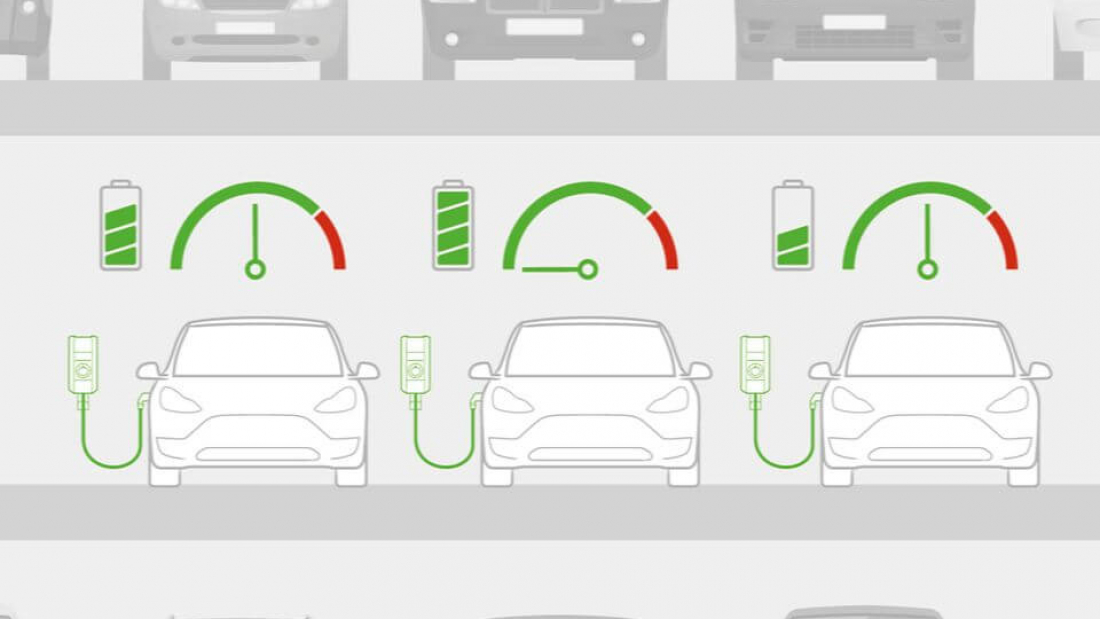
  • the purchase of new charging stations with a charging capacity of up to 22 kW and intelligent controls
  • the installation and connection of the charging stations, including all installation work
  • energy management systems to control the charging stations

Receive the subsidy from KFW (subsidy for charging stations for electric vehicles):

  • Company
  • sole proprietors
  • freelancers
  • Municipal enterprises
  • Corporations and institutions under public law, e.g. chambers and associations
  • non-profit organizations including churches

HELMER NET – we offer a full service tailored to your needs, including the following services:

  • Installer for the power and LAN network
  • We use economical media transmission via our own fiber optic processing.
  • Electricity billing via our backend portal. You receive a monthly charge invoice or via internal meters.
    Load management so that your power grid does not collapse, or surplus charging through in-house PV system.
  • 24/ 7 Care and maintenance
  • DGUV inspections by our qualified personnel.

Talk to us or make an appointment for a consultation and beratung@helmer-net.de. We look forward to hearing from you.
Ladestation

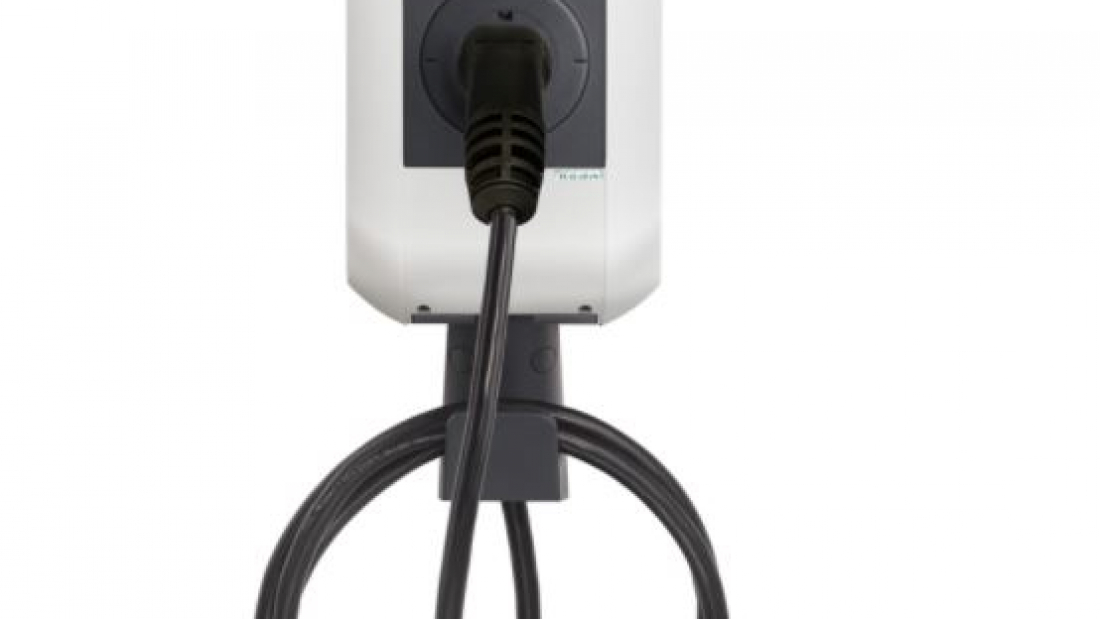
Keba charging stations

Our wallboxes: fully eligible

We have received confirmation from KfW that our KeContact P30 x- & c-series models and the newly developed Deutschland Edition are eligible for subsidies. These bring the following advantages for you:

  • Power 11 kW or 22 kW (throttling to 11 kW is required to receive KfW 440 funding)
  • Available with type 1 or type 2 charging cable or socket
  • Safe charging due to DC fault monitoring
  • Communication interfaces UDP and Modbus TCP
  • Standard USB interface for updates
  • Highest quality standards & manufacturing in Austria

Additional features e.g. metering and calibration compliant billing or an energy meter are available depending on the selected model. Find out which is the right eligible wallbox for you

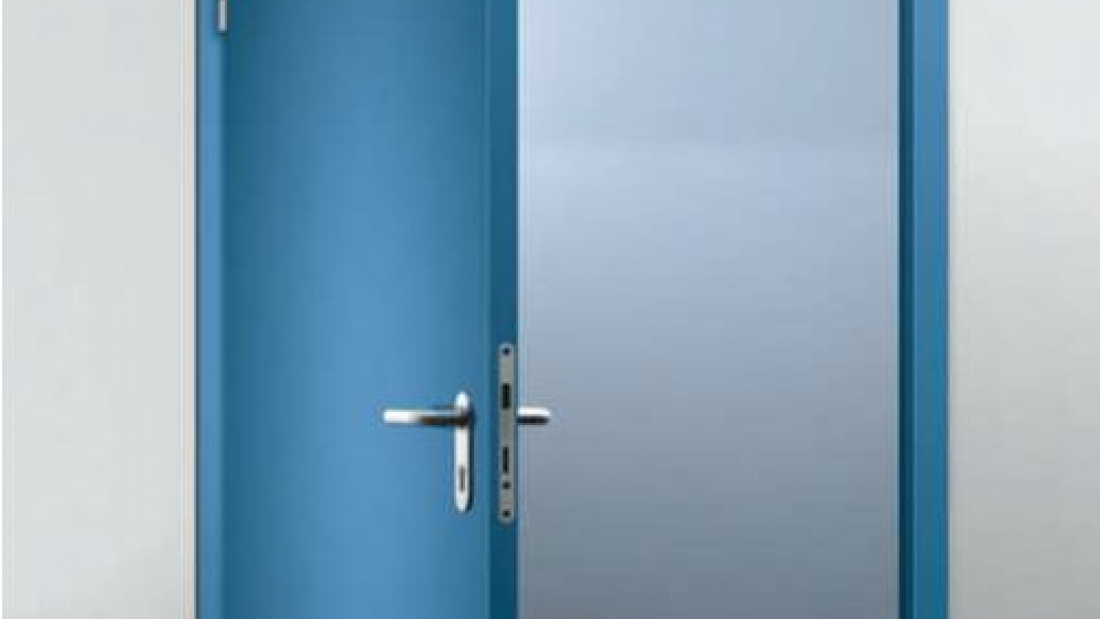
Feststellanlagen für Brandschutztür

Hold-open systems according to DIN 14677

Helmer Net - your expert for hold-open systems in southern Germany

It is a fact that approx. 70 % of all hold-open systems on the market are not subject to regular inspection, maintenance and repair. This neglect can mean that both human life and property are not reliably protected.

HELMER is available 24 / 7 h.

DIN 14677 Maintenance of electrically controlled hold-open systems for
fire and smoke protection closures.
This standard is intended to standardize the maintenance of hold-open systems and thus provide a basis for operators and maintenance personnel for the maintenance of hold-open systems for fire and/or smoke protection closures.
The implementation of maintenance measures in accordance with the specifications of this standard ensures that hold-open systems with documented acceptance testing maintain their operational readiness throughout their entire service life when used and operated as intended. 

Automatic point-type fire detectors without contamination compensation or without an automatic
calibration device can remain in use for up to 5 years if the functional capability of the detector has been
Is verified (testing of the fire detector using the test procedure specified by the manufacturer).
This detector must be replaced or undergo factory testing and repair after 5 years of use.
be subjected to factory testing and repair.

RWA Anlagen München

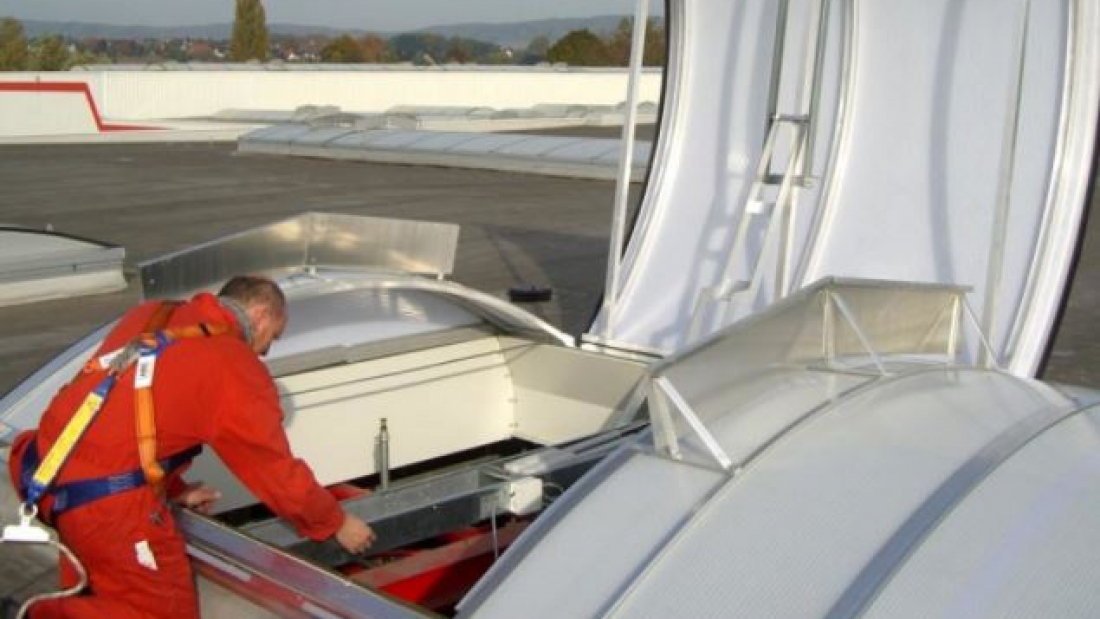
Smoke and heat exhaust ventilation systems (SHEVS)

Helmer Net - your specialist for SHEV systems in the Munich area

Smoke and heat extraction systems remove smoke and heat from burning buildings. This keeps escape routes and access routes for the fire department smoke-free.

What are the advantages of a natural smoke and heat extraction system?

Emergency safety. When drawing up an emergency plan to take effect in the event of a fire breaking out in the building, particular attention must be paid to the risk of asphyxiation due to the inhalation of smoke gases. Smoke must be dissipated from the building as quickly as possible in the event of a fire so that building occupants can safely use escape routes and firefighters can safely and effectively fight the fire.

What is natural smoke and heat ventilation?

A natural or passive smoke and heat exhaust system is characterized by the fact that smoke is quickly removed via automatically opening windows at higher points and, at the same time, outside air flows in via lower-positioned inlet openings. This enables reliable smoke removal and fresh air supply.

Natural smoke and heat extraction also prevents the building from overheating. This helps to prevent smoke explosions.

Regular maintenance of SHEV systems is essential

(16.8.2011) Reliable SHEV systems are used to quickly and effectively remove smoke from buildings and must be regularly maintained and repaired to maintain their functional safety. If the legally prescribed obligations are neglected, building owners or operators face both civil and criminal consequences. The most important normative regulations – DIN 57833, 18232 and 31051 – as well as VdS/ CEA Guideline 4020 of VdS Schadenverhütung are intended to ensure effective fire protection.

Photovoltaik Speicherförderung

Photovoltaic storage promotion

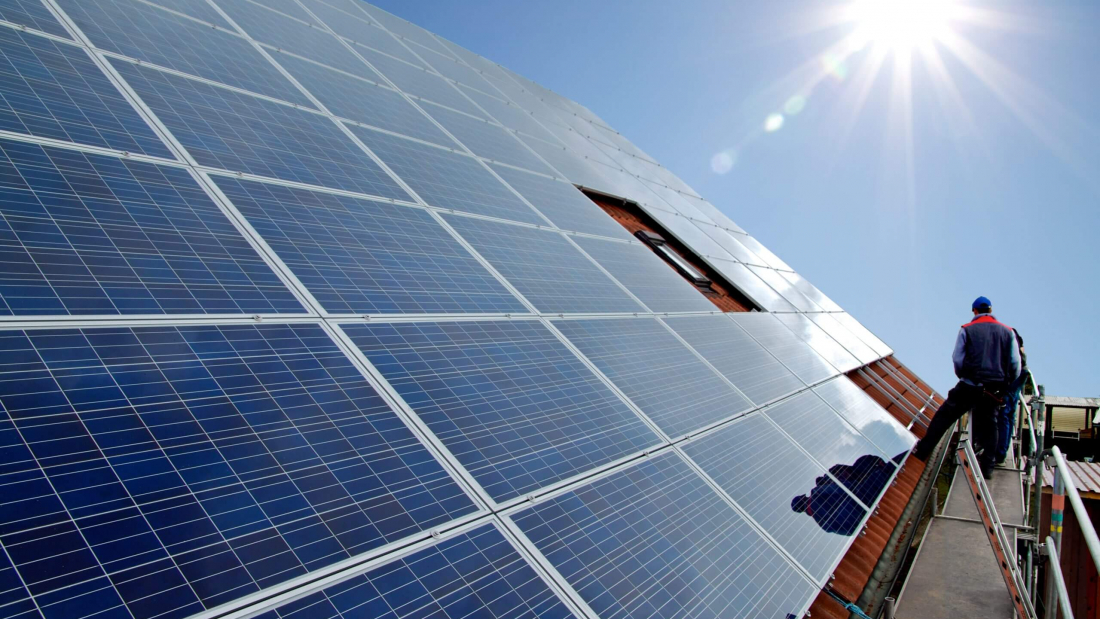
The new subsidy program was launched in the Free State of Bavaria on August 1. It provides a grant of 3200 euros for a newly installed storage capacity of 30 kilowatt hours. The prerequisite for the full subsidy is that a photovoltaic system with a rated output in a ratio of at least one to one is installed. In the future, the Free State also wants to subsidies in the future. From the beginning of August, owners of single-family and two-family homes can apply online for the Apply for subsidies http://www.energiebonus.bayern/.


The guidelines provide funding for new battery storage systems as an “initial or supplementary installation” in combination with a new photovoltaic system. A retrofit of existing photovoltaic systems with home storage is not planned in the subsidy. Under supplementary installation, the ministry in Munich understands an expansion of existing Photovoltaic systems and storage units, which are then eligible for subsidies.
How large the annual volume for the subsidy is initially remained unclear. In a leaflet it says: “The number of possible subsidy cases depends on the available budget. The current number of funding cases still available can be taken from the counter on the application platform.
can be taken.” The program officially runs through July 31, 2022.

Newly installed photovoltaic storage systems must have a usable capacity of at least 3.0 kilowatt hours, as well as have a battery interface for communication and remote control, as well as an intelligent energy management system, according to the guidelines stated. In addition, the storage systems must have time value replacement guarantees for ten years must be available.


For the photovoltaic home storage systems with a capacity of 3 kilowatt hours, a basic grant of 500 euros is granted. For each additional full kilowatt hour of capacity, there is an additional 100 euros. The maximum amount is 3200 euros for a battery storage with 30 kilowatt hours capacity in combination with a kilowatt hours capacity in combination with a new 30 kilowatt photovoltaic system. Because also in this regard, the ministry makes specifications for the granting of the full subsidy: The ratio of the storage capacity to the output of the photovoltaic system must be at least one to one. If the output of the photovoltaic system is smaller than the capacity of the storage system the battery will receive a correspondingly lower subsidy.
200 euros for charging stations Bavaria also wants to promote charging stations in the future. Here, a subsidy of 200 euros is planned. The AC charging capacity must be at least 11 kilowatts for three-phase systems and 3.7 kilowatts for single-phase systems. There are no requirements for DC charging power. However, the charging stations must be integrated into the intelligent energy management system of the
battery storage system, according to the guidelines.
( Source Bavarian State Ministry of Economic Affairs, Regional Development and Energy.)
We welcome you for a personal consultation or for an elaboration of your project. Gladly after tel. agreement.